CBD and Statins – Do I Need to Worry About Metabolism Issues?
If you’re someone taking statins to lower cholesterol, and you’re curious about adding CBD to your routine, you’re not alone. With the rising popularity https://highstylife.com/what-should-i-tell-my-clinician-so-i-take-cbd-actually-helps-them/ of cannabidiol (CBD) products—from trusted brands like Joy Organics—many people wonder if combining CBD with certain statins could create metabolism problems or affect how their medications work. Let’s break down the facts so you can make informed choices and, most importantly, talk to your pharmacist before making any changes.
What Is CBD? Basics versus THC and Intoxication
CBD, short for cannabidiol, is one of the many compounds found in the cannabis plant. Unlike THC (tetrahydrocannabinol), the component responsible for marijuana's intoxicating effects, CBD does not produce a “high.” This key difference makes CBD hugely popular for those seeking potential health benefits without impairment.
- CBD is non-intoxicating: You won’t feel “stoned” or cognitively altered.
- THC causes intoxication: The psychoactive part of cannabis, often restricted in many products.
- Legal definition: According to the 2018 Farm Bill, hemp-derived CBD products must contain <0.3% THC to be federally legal.
But while CBD is legally accessible in many states via over-the-counter (OTC) products, it’s important to remember that FDA approval more info only exists for certain prescription cannabinoids, specifically for some seizure disorders. OTC CBD supplements are regulated very differently, which affects quality and labeling accuracy.
FDA Approval and OTC CBD: Why the Difference Matters
The only CBD-based drug that has FDA approval is Epidiolex, used to treat rare and severe seizure conditions. This approval means rigorous testing for safety, effectiveness, and dosage control. In contrast, most CBD products found at health stores or online—including Joy Organics—are considered dietary supplements or natural products and are not FDA evaluated for safety or dosing.
This distinction is critical for anyone mixing CBD with other medications like statins. Because OTC CBD can vary widely in potency, purity, and even THC content, the risk of unintended effects or interactions is higher unless you rely on trustworthy brands and transparency tools.
The Legal Landscape of CBD: 2018 Farm Bill and THC Limits
The 2018 Farm Bill legalized hemp cultivation and hemp-derived products, as long as they contain less than 0.3% THC by dry weight. This law essentially separated hemp from marijuana in the eyes of the law and opened the floodgates for CBD products in the market.
However, this legal freedom comes with a downside: less regulatory oversight means quality can vary greatly from product to product. That’s why knowing exactly what you’re buying is crucial.
Why Potency and Purity Vary
- CBD concentration differs: Some products are weak, others strong—sometimes the label doesn’t clearly show per-serving amounts versus per bottle totals.
- THC “free” claims can be misleading without batch-specific lab results.
- Contaminants or pesticide residues may appear if growers and manufacturers cut corners.
To avoid these pitfalls and ensure safety, always look for a certificate of analysis (COA) and batch-specific laboratory reporting for any CBD product you consider.
What Is a Certificate of Analysis (COA), and Why Does It Matter?
A certificate of analysis (COA) is a detailed report from an independent lab showing exactly what’s in a batch of CBD product. It confirms:
- Actual CBD and THC levels (critical to confirm THC is <0.3%).
- Presence (or absence) of pesticides, heavy metals, mold, or solvents.
- Consistency between batches.
Brands like Joy Organics provide batch-specific COAs online, which helps you verify that their products match label claims. This transparency is your best defense against mislabeled or contaminated products, especially when you’re taking other medications.
CBD and Statins: How They Might Interact
Now, the heart of the question—can CBD affect your statins? The answer lies in how both substances are processed in your body.
The Role of Cytochrome P450 Enzymes in Metabolism
Many statins (like atorvastatin, simvastatin, and lovastatin) are metabolized in the liver by a system of enzymes called cytochrome P450 (CYP450). This enzyme family helps break down drugs so they can be eliminated from your body.
CBD can inhibit some CYP450 enzymes, meaning if you take CBD simultaneously, it might slow down the metabolism of your statin. This slowing can cause statin levels to increase in your bloodstream, potentially raising the risk of side effects such as muscle pain or liver stress.
Which Statins Are Most Affected?
Statin CYP450 Metabolism Potential CBD Interaction Risk Atorvastatin (Lipitor) CYP3A4 substrate Moderate to higher risk Simvastatin (Zocor) CYP3A4 substrate Moderate to higher risk Lovastatin (Mevacor) CYP3A4 substrate Moderate risk Pravastatin (Pravachol) Not extensively metabolized by CYP450 Lower risk Rosuvastatin (Crestor) Minimal CYP450 metabolism Lower riskThe takeaway? The so-called certain statins CBD can interfere with are mainly those metabolized by CYP3A4. If you’re on one of these statins, the interaction risk is higher.
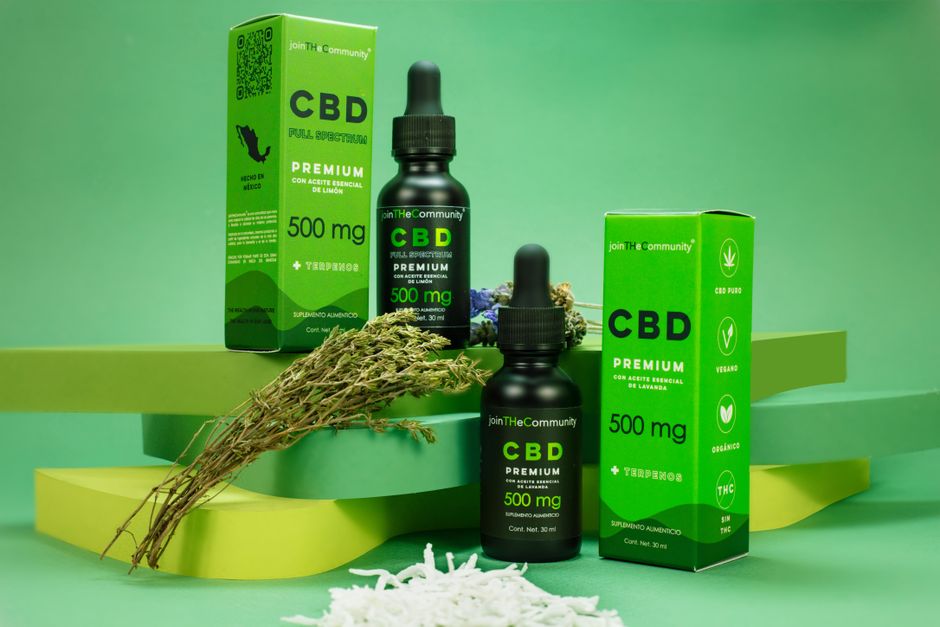
What Should You Do? The Bottom Line
- Talk to your pharmacist or healthcare provider. This is critical. They can assess your specific statin, dose, liver function, and overall medication profile.
- Choose quality CBD products. Brands like Joy Organics that publish batch-specific COAs reduce the chances of inconsistent dosing/contamination.
- Start with low doses. If approved by your healthcare provider, begin with the lowest amount of CBD to monitor any side effects.
- Report any unusual symptoms. Muscle pain, weakness, or dark urine could indicate statin side effects needing medical attention.
- Stay informed. Research continues, but current knowledge advises caution with combining CBD and certain statins due to CYP450 interference.
Why Your Pharmacist Is Your Best Friend Here
Pharmacists understand drug metabolism, interactions, and can review your full medication list for potential concerns. They can also guide you on brands with reliable lab testing (like Joy Organics) and help interpret COAs so you’re truly aware of what each product contains.
Never assume "THC-free" or "natural" means risk-free or interaction-free. Transparency via COAs and professional consultation are your defense against guesswork and misinformation—especially when it comes to prescription drugs.
Summary
- CBD is non-intoxicating, unlike THC, and widely available OTC but with variable quality.
- The only FDA-approved CBD drug is for seizure disorders; OTC products have less oversight.
- Legal CBD must contain less than 0.3% THC, but checking batch-specific COAs ensures products meet this.
- Certain statins metabolized by CYP450 enzymes (especially CYP3A4) can interact with CBD, potentially leading to higher statin levels and side effects.
- Always talk to your pharmacist before combining CBD with statins.
- Choose reputable brands with transparent testing, such as Joy Organics, to ensure product safety and consistency.
By staying informed, cautious, and consulting healthcare professionals, you can safely explore if CBD fits into your health journey without jeopardizing your cholesterol treatment.