CBD Isolate Feels Weaker to Me: Is That Normal?
Yes, it can be normal to feel less from CBD isolate than from a broad-spectrum or full-spectrum product. That doesn’t mean the isolate is faulty—or that a product containing more hemp compounds will necessarily work better for you. Formulation, dose, serving size, product quality, and your own expectations can all shape the experience.
One important distinction: CBD is not intoxicating like THC, and people’s descriptions of “feeling” CBD vary widely. Some notice no clear sensation at all. Others say one product seems more noticeable than another. Those impressions are worth considering, but they don’t prove a product is treating a health condition or that one type is universally stronger.
Here’s a practical guide to CBD isolate, broad-spectrum CBD, and full-spectrum CBD—plus what lab reports can tell you, what they can’t, and why “THC-free” claims deserve a closer look.
First, what does “CBD isolate feels weaker” mean?
People often use “weaker” to mean that a product seems less noticeable, not that a lab has confirmed it contains less CBD. Those are different questions. A product could contain the amount of CBD listed on its label but still feel different from a previous product because its formulation, serving size, or other ingredients changed.
CBD isolate is a highly refined form of cannabidiol, the hemp compound usually shortened to CBD. In a typical isolate product, most other hemp compounds have been removed. That makes isolate a straightforward option for shoppers who want CBD without the broader mix of naturally occurring hemp constituents—but it also means there are fewer of those other compounds in the formula.
How noticeable a product feels is not a reliable way to check its strength. For that, look at the label and a batch-specific certificate of analysis (COA), the lab report for the particular batch of product you bought.
CBD isolate vs. broad-spectrum vs. full-spectrum
These terms describe the mix of hemp compounds in a product. They are useful shorthand, but labels alone don’t verify what is actually in the bottle.
Type What it generally means What shoppers should check CBD isolate Mostly purified CBD, with most other hemp compounds removed. CBD amount per serving, ingredients, and a COA confirming cannabinoid content and screening for contaminants. Broad-spectrum CBD CBD plus some other hemp compounds, generally processed to remove THC. Whether the COA shows THC as not detected or reports a measurable amount, and what the lab’s detection limit is. Full-spectrum CBD CBD and a wider range of hemp compounds, which may include THC within applicable legal limits. The amount of THC per serving and per container, as well as the total cannabinoid profile.Definitions can vary between brands, and “THC-free” is not a magic guarantee. A product’s name or front-label language does not take the place of batch testing. If avoiding THC matters to you, check the actual report for the product and batch in hand.
What is the entourage effect?
The entourage effect is the idea that compounds in cannabis or hemp may interact with one another and influence the overall effects of a product. In simple terms, it’s a proposed “whole mix may act differently from one isolated ingredient” idea.
The term is widely used in marketing, but it should not be treated as proof that a particular blend is more effective, or that full-spectrum CBD will work better for everyone. Research into how different compounds interact is ongoing, and the evidence does not support a guaranteed benefit for every consumer or condition. A product with more compounds is not automatically a better product.
This is one reason a person might describe broad-spectrum or full-spectrum CBD as more noticeable than isolate. The difference could relate to the overall formula—or to dose, flavor, carrier oil, expectations, or other factors. A personal impression alone can’t identify the cause.
Why isolate might seem less noticeable
The CBD amount may differ
Compare the amount of CBD per serving, not just the total milligrams printed prominently on the bottle. One product might contain more CBD in https://highstylife.com/tested-athlete-cbd-choices-broad-spectrum-vs-isolate/ each dropper than another, even if the bottles look similar. Also check the serving size: a label’s “one serving” might not equal a full dropper.
The formulation may change how you take it
CBD oils, capsules, gummies, and topical products are not interchangeable by label appearance alone. Their ingredients and directions differ, and a gummy, for example, may have a different serving size and onset than an oil. Don’t assume two products with the same total CBD number will feel identical.
There may be other hemp compounds in the product you’re comparing
A switch from full-spectrum or broad-spectrum CBD to isolate changes more than the product name: it changes the mix of compounds. That may be relevant to your experience, but it does not establish that the other product is more potent or more suitable.
The product may not match its label
CBD products can vary in quality. A COA can help you check whether a tested batch’s CBD content is close to the label claim and whether the lab screened for substances such as pesticides, heavy metals, residual solvents, or microbes. Without a credible report, “high potency” is just a claim.
How to read a batch-specific COA
A COA is most useful when it clearly belongs to the product and batch you’re considering. It is not a blanket certificate for everything a company sells, and it is not a guarantee that a product will have a particular effect.
- Match the batch number. Look for a lot or batch number on the package and compare it with the report. A report for a different batch does not confirm what is in your bottle.
- Confirm the product identity. The report should identify the product or sample and provide a testing date. If you can’t connect it to the item you bought, ask the company for clarification.
- Check the cannabinoid results. Look for CBD and, where relevant, THC results. Pay attention to the units and whether results are listed per gram, per serving, or another measure.
- Read “not detected” carefully. Not detected means the lab did not measure the compound above its reporting or detection threshold. It does not necessarily mean absolute zero.
- Check what else was tested. A cannabinoid panel does not automatically include contaminant testing. Review the report for pesticides, heavy metals, residual solvents, and microbial testing—or ask which tests were performed.
- Check the lab details. Look for the laboratory’s name and report information. If results are unclear or a QR code leads only to a general marketing page, ask for the complete report.
It also helps to understand how the product is made. Extraction and refinement are processing steps used to separate and adjust hemp compounds. Refining an extract into isolate removes most other constituents; making broad-spectrum CBD involves retaining some compounds while processing to remove THC. These steps can affect the final cannabinoid profile. A brand should be able to explain its process without implying that “more refined” automatically means “better.”
THC-free demand—and the drug-testing reality
Many shoppers seek broad-spectrum CBD or isolate because they want to avoid THC. That concern is especially relevant for people subject to workplace, athletic, or other drug testing. But choosing a product labeled “THC-free” cannot eliminate all risk.
Some tests look for THC metabolites, and CBD itself is not usually the target of a standard THC drug test. Still, a product containing undeclared or small amounts of THC could contribute to exposure. Testing methods, product use, and individual circumstances vary, so no CBD seller can responsibly promise that a product will keep someone from testing positive.
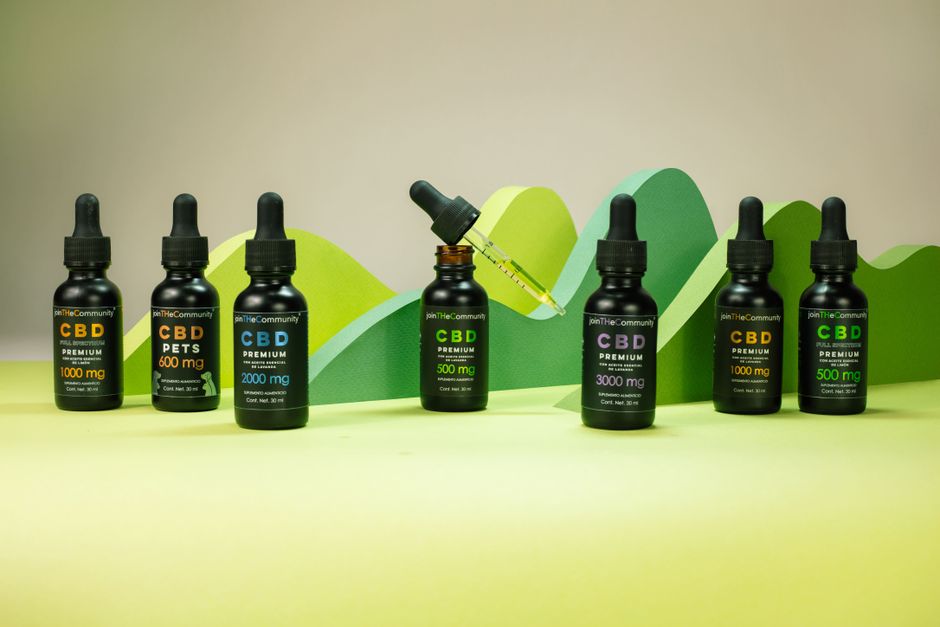
If a positive result could affect your job, license, sport, or legal status, the cautious choice is to avoid CBD products unless an appropriate professional or testing authority advises otherwise. If you decide to use one, look for a batch-specific COA that reports THC and note the lab’s detection limit. Even then, a COA is evidence about a tested sample—not a guarantee about every dose or every possible test outcome.
Why CBD became more visible after the 2018 Farm Bill
The 2018 Farm Bill removed hemp from the federal definition of marijuana under specific conditions, helping fuel wider commercial interest in hemp-derived products. After that, CBD oils, capsules, lotions, and gummies moved into more pharmacies, wellness shops, and online stores.
That shift helped make CBD a mainstream retail product, but it did not mean every CBD product received FDA approval or that all health claims were established. Federal, state, and product-specific rules can be complicated and may change. Retail availability is not the same as proof of safety, quality, or effectiveness for a particular use.
For shoppers, the practical takeaway is simple: treat CBD as a product that needs label and quality checks, not as a proven cure because it is easy to find on a shelf.
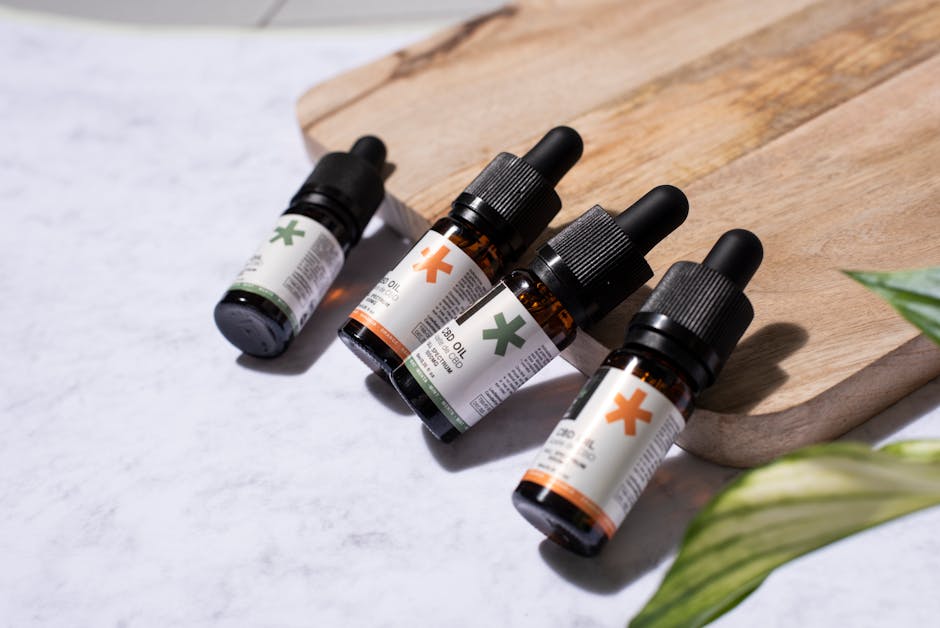
Don’t overlook the missing-price problem
If an article or product listing describes CBD options but shows no https://smoothdecorator.com/what-quality-signals-should-i-look-for-when-buying-thc-free-cbd-online/ prices, that omission makes comparison harder. Cost matters, but a bottle’s sticker price alone can mislead: bottles vary in size, CBD concentration, serving size, and verified contents.
Before comparing value, find the product’s price, total milligrams of CBD, and amount per serving. Then check the COA. A lower price per bottle does not necessarily mean better value if the product contains less CBD than expected or lacks clear batch testing. If a listing leaves out price, look at the seller’s current checkout page or contact the company rather than guessing from an old review or a different product size.
A practical way to compare products
- Decide whether avoiding THC is important for you, and account for drug-testing risk.
- Compare CBD per serving and total CBD in the package—not just the bold number on the front.
- Check the ingredients and product format, especially when comparing oils with edibles or capsules.
- Find a batch-specific COA and match it to the package’s lot number.
- Review cannabinoid results and contaminant testing; ask the brand for missing information.
- Compare the current price and serving count, rather than relying on an article that doesn’t list prices.
- Be wary of promises that a product works instantly, cures a condition, or guarantees a negative drug test.
So, is it normal if CBD isolate feels weaker?
It can be. Isolate contains mostly CBD, while broad-spectrum CBD and full-spectrum CBD may contain additional hemp compounds. Differences in formulation, serving size, quality, and expectations can also affect how noticeable a product seems. The entourage effect is a proposed explanation for how compounds might interact, not a promise that a broader extract will feel stronger or work better.
If you’re comparing products, start with the label, the per-serving amount, the current price, and a COA tied to the exact batch. If you take medication, are pregnant or breastfeeding, or have a health concern, discuss CBD with a qualified health professional; CBD can interact with some medicines. And if drug testing is a concern, remember that a “THC-free” label cannot guarantee a negative result.