How Do I Keep My Ears Safe When the Stage Volume Is Brutal?
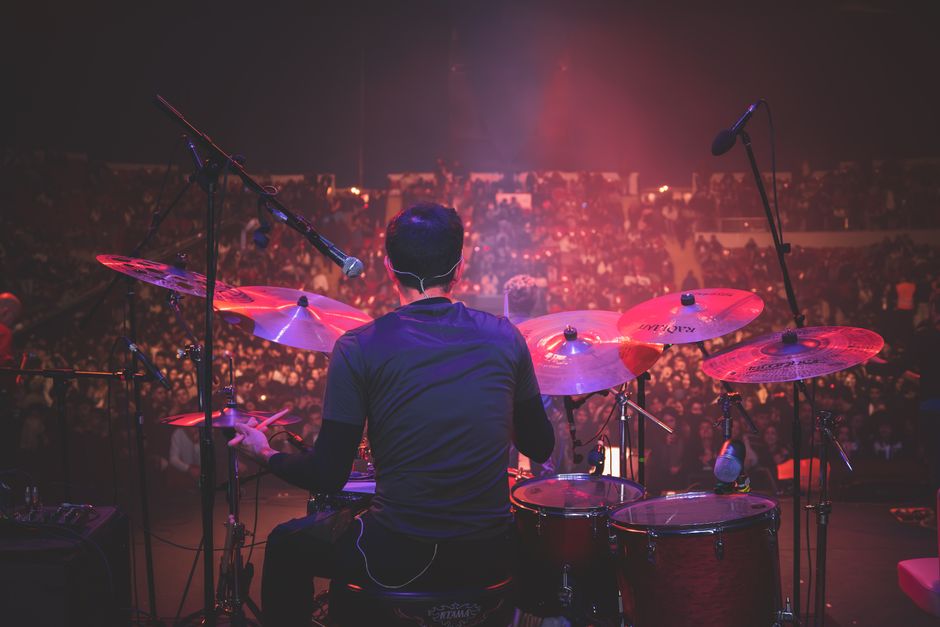
Touring musicians face a unique cocktail of challenges night after night, and the brutal stage volume is right at the top of that list when it comes to health risks. As someone who’s spent nearly a decade running venues and watching crews in action, I’ve seen firsthand how noise-induced hearing loss creeps up on even the most seasoned pros. There’s no macho badge in “pushing through” ear damage, and protecting your hearing should be as routine as warm-ups or load-ins.
In this post, I’ll break down practical strategies to safeguard your ears amid the chaos. Along the way, we’ll touch on the less obvious stressors that contribute to injury and fatigue on the road—from lifting gear wrong, to van travel stiffness, to how sleep debt messes with your body’s natural recovery. Plus, I’ve got insights on preventing instrument-specific repetitive strain injuries, and why filtered earplugs (9-25 dB) are a must-have tool.
Why Noise-Induced Hearing Loss Is a Real Threat on Tour
Loud stages are not just a rite of passage—they’re a health hazard. Noise-induced hearing loss (NIHL) happens slowly over time and is irreversible. This is especially true with nightly exposure to high decibel levels common during performances. The problem is that standard foam earplugs, while better than nothing, don’t provide the clarity and sound quality musicians need on stage.
Filtered earplugs (9-25 dB) allow you to protect your ears while still hearing the mix accurately. Companies like Joy Organics have even been popular for providing clean CBD products that help some musicians relax after performances and may assist in managing inflammation—though they’re no substitute for actual ear protection.
What Happens When You Ignore Ear Protection?
- Tinnitus (constant ringing or buzzing in the ears)
- Permanent hearing loss, especially at high frequencies
- Increased fatigue and decreased concentration on stage
- Difficulty communicating during soundchecks and between band members
Many musicians blame “getting sick on tour,” but often it’s a combination of dehydration, poor posture, and sleep debt. Like skipping water, ignoring ear health only stacks the odds against you.
Tools of the Trade: Filtered Earplugs and More
Earplugs aren’t the only tools you need to keep your body and ears intact after brutal volume nights. From the venue to the van, you’re in for a grind:
1. Choosing Filtered Earplugs Wisely
Look for earplugs that provide a flat attenuation, meaning they reduce volume evenly across frequencies. This keeps the sound natural and avoids a muffled “underwater” effect. Reliable brands are focused on musicians’ needs—some have a range from 9 to 25 decibels reduction to match various noise environments.
2. Kinesiology Tape for Load-In Injuries and Repetitive Strain
Loading and unloading gear is where many injuries start. Bad lifts from heavy amps or stage equipment strain your back, shoulders, and wrists. Applying kinesiology tape before and after can help support muscles during heavy lifts, reduce swelling, and promote circulation. I always recommend learning the taping techniques for your specific pain points, whether it’s your lower back or wrists.

3. Use a Lacrosse Ball to Bust Stiffness and Improve Circulation
Van travel will kill your circulation and posture if you aren’t careful. Long rides seated awkwardly mean tight hips, stiff necks, and sore backs. A simple lacrosse ball is a magic bullet here: roll it under your glutes or along your shoulder blades to release knots and improve blood flow, which helps prevent muscle fatigue that can worsen hearing sensitivity.
Load-In Safe Lifting: Protect Your Back So You Can Protect Your Ears
Forget macho “push through it” attitudes with injuries—most tour injuries come from overexertion during load-ins, not onstage action. A combination of poor technique and rushing through lifting is the biggest culprit.
- Warm up your muscles: Use a quick stretch session or active movements to prep shoulders, knees, and back before handling gear.
- Use your legs, not your back: Squat deeply to lift amps or heavy cases instead of bending at the waist.
- Don’t be a hero: Ask for help when gear is heavy or awkward. One twisted back on tour can cost you weeks, not to mention impact your onstage performance.
Remember, a back injury decreases your ability to stay focused during sets, making the ears even more vulnerable to damage because your brain’s stress response heightens.
Instrument-Specific Repetitive Strain: Ears Aren’t Alone in Suffering
Every instrument carries its own risks. Guitarists often develop issues like carpal tunnel or tendonitis; drummers battle wrist and shoulder strains; wind players may develop jaw tension that impacts their overall posture.
Consider these prevention tips:
- Take short breaks to stretch during rehearsals and between songs.
- Work with a physical therapist or physiotherapist who understands musician injuries.
- Use kinesiology tape on key areas to support tired muscles during long sets.
Supporting your body holistically reduces fatigue, which indirectly protects your ears from overexposure and helps you manage stage volume better.
Van Travel Stiffness and Circulation: Maintaining Body Health on the Road
Hours crammed in cramped vans or buses contribute to stiffness that compounds over the course of a tour. The lack of circulation not only makes muscles sore but can reduce your ability to recover from loud noise exposure.
Take these steps:
- Stand up and stretch regularly on breaks.
- Use a lacrosse ball to massage tight spots as soon as you get a minute.
- Hydrate consistently—dehydration thickens your blood, limiting oxygen delivery to sensitive ear structures.
Staying mobile isn’t indulgent—it’s necessary for protecting your brain and ears from cumulative damage.
Sleep Debt and Adrenaline Timing: The Silent Enemies of Ear Health
Touring doesn’t come with a traditional 9-to-5 schedule, and that’s stressful on your whole system. Lack of quality sleep increases your body’s inflammation response and makes you more sensitive to noise damage. Add adrenaline spikes from stage excitement, and the timing can reduce your brain's natural ability to filter out damaging noise.
To optimize recovery:
- Set a consistent wind-down routine using relaxation tools—Joy Organics CBD products can help you ease into sleep more naturally without foggy side effects.
- Avoid screens and bright lights at least 30 minutes before bed.
- Prioritize naps and light movement on “off” days to reset your system.
Respecting your body's circadian rhythms is one of the best ways to protect your hearing and keep your whole dehydration on stage body resilient on tour.
Summary Table: Ear Safety and Body Health on Tour
Challenge Risk Recommended Tools/Actions Brutal Stage Volume Noise-induced hearing loss, tinnitus Filtered earplugs (9-25 dB), sound monitoring Load-in Lifting Back and wrist injuries Kinesiology tape, proper lifting technique, teamwork Instrument Strain Repetitive strain injuries Stretch breaks, kinesiology tape, PT consultation Van Travel Circulation issues, muscle stiffness Lacrosse ball self-massage, regular stretching, hydration Sleep Debt & Adrenaline Increased inflammation, heightened noise sensitivity Consistent sleep routine, Joy Organics CBD products, screen avoidanceFinal Thoughts
Touring is a grind, and the myth that it’s a nonstop party often leads to ignoring basic health needs. Protecting your ears from brutal volumes is not optional if you want a career that lasts. Using filtered earplugs (9-25 dB) is the first line of defense, but don't neglect the other factors—from safe lifting to managing sleep debt—that influence your overall resilience.
By combining smart tools like kinesiology tape and lacrosse balls with habits that respect your body's limits, you'll stay fresher, sharper, and ready to enjoy the music without long-term damage.
Stay safe out there, and keep your ears rocking for decades to come.