Is CBD Isolate Safer Than Full Spectrum If I Compete?
As more athletes and competitors explore CBD products for managing anxiety, sleep, and recovery, a pressing question emerges: Is CBD isolate safer than full spectrum if I compete? Navigating the landscape of CBD can get tricky, especially when factoring in anti-doping regulations, THC content concerns, and the variable quality across brands. In this post, we’ll break down the essentials — from CBD basics and the all-important THC distinction, to what science says about effectiveness and dosing mismatches in popular gummy products — all while spotlighting reliable companies like Joy Organics and the role of the FDA and World Anti-Doping Agency (WADA).
CBD Basics: Isolate, Full Spectrum, and Broad Spectrum
Before diving into safety for competitors, it’s important to understand the main types of CBD products on the market:
- CBD Isolate Non Detectable THC: This is pure cannabidiol (CBD) extracted and isolated from the cannabis plant, with no other cannabinoids or terpenes present. Lab reports often show "non-detectable THC," meaning any THC is below the test detection threshold (~0.01%), making it essentially THC-free.
- Full Spectrum Trace THC: Full spectrum CBD contains all cannabinoids and terpenes present in hemp, including trace levels of THC typically up to 0.3% by dry weight. This small THC fraction can sometimes accumulate or spike beyond expectations in poorly-made products.
- Broad Spectrum CBD: Also contains multiple cannabinoids and terpenes but has gone through extra processing to remove nearly all THC, combining the benefits of multiple hemp compounds without psychoactive THC.
For athletes, the THC content is critical because anti-doping agencies like WADA have strict limits. Even trace THC from full spectrum products poses a risk for positive drug tests. That’s why CBD isolate and broad spectrum are usually viewed as safer options because they minimize or eliminate THC content.
Hemp Legality and the 0.3% THC Threshold
The legality of hemp-derived CBD revolves largely around the federally mandated THC threshold. In the U.S., under the 2018 Farm Bill, hemp products must contain less than or equal to 0.3% THC by dry weight to be considered legal.
But here’s the catch: even “legal” full spectrum products can contain trace THC, and some batches go over that limit unknowingly due to extraction inconsistencies or poor quality control. This matters a lot to competitors because:
- THC Accumulation: Regular use of full spectrum CBD can cause THC to accumulate in fat tissues, potentially causing a drug test to flag.
- Batch Variability: Not all products stick perfectly to their label claims. Without checking third-party batch lab reports, users can’t be sure of THC content.
Companies like Joy Organics often emphasize rigorous third-party testing to ensure THC stays below detection or required limits, with certificates of analysis openly available. This transparency is non-negotiable for athletes who want to avoid inadvertent doping violations.
Evidence Strength: Anxiety vs Sleep vs Performance
While CBD is marketed for multiple benefits, scientific evidence is strongest in some areas and more limited in others — and this matters for dosing and product choice.
Anxiety
Studies on CBD and anxiety show promising results, often with single doses ranging from 300-600 https://www.tribality.com/articles/does-cbd-do-anything-for-gamers/ mg/day in controlled settings. The mechanisms involve CBD’s action on serotonin receptors and its anxiolytic properties. This is the most robust area backed by controlled trials, but such doses are hard to reach with a typical gummy serving, which often yield 10-30 mg of CBD.
Sleep
For sleep, evidence is more mixed. Some research suggests that CBD might improve sleep quality by alleviating anxiety or pain, but direct evidence on sleep architecture is less clear. Doses used in studies are again on the higher side — generally well above what a standard gummy contains.

Performance
Regarding athletic performance specifically, there are currently no strong clinical trials confirming that CBD directly enhances physical performance. Rather, many athletes use CBD to manage pain, inflammation, or recovery indirectly. That means dosing and product choice focus more on safety and regulatory compliance rather than clear-cut performance gains.. Wait, what?
Dosing Mismatch Between Studies and Gummies
Here’s where expectations often get derailed. Many clinical trials use 300-600 mg doses of CBD to see effects on anxiety or other endpoints. Compare that with typical gummies on the market, which contain anywhere from 5 mg to 25 mg of CBD per serving, depending on the brand. That means to reach study-validated doses, you’d need to down 12-60 gummies or more, which is impractical and costly.
This gap in dosing capabilities is something competitors must reckon with, especially if relying on CBD for anxiety reduction before a competition. Moreover, dosing too aggressively can backfire or cause unexpected interactions, especially if the product isn’t verified THC-free.
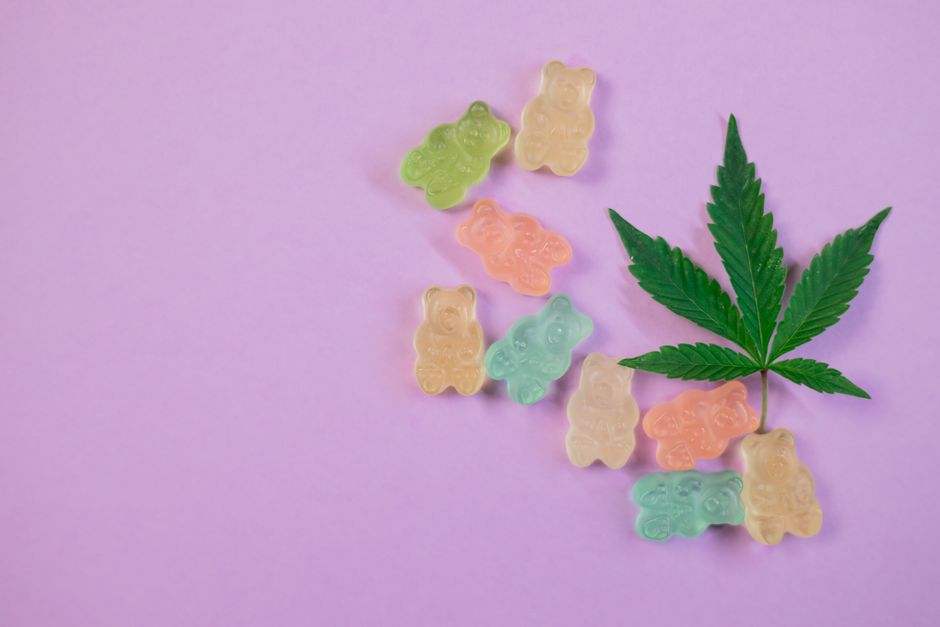
Example: Pricing and Dosing at Joy Organics
Product CBD per Gummy Price (per gummy) Estimated Cost for 300 mg Dose Joy Organics Broad Spectrum Gummies 10 mg $0.80 300 mg → 30 gummies x $0.80 = $24 Joy Organics CBD Isolate Gummies 25 mg $1.25 300 mg → 12 gummies x $1.25 = $15So, if you’re targeting a clinical dose for anxiety management, CBD isolate gummies are often more cost-effective and easier to dose than full or broad spectrum products, especially if you want to guarantee non-detectable THC.
Regulatory Considerations: FDA and WADA Guidance
The FDA currently does not regulate CBD as a dietary supplement, meaning quality, labeling accuracy, and health claims vary widely. This lack of oversight creates risks for athletes who might inadvertently consume banned substances.
Let me tell you about a situation I encountered made a mistake that cost them thousands.. On the sports front, WADA removed CBD from its prohibited list in 2018, signaling acceptance of its use in sport. However, THC and other cannabinoids remain prohibited in competition. This means:
- Using full spectrum CBD with trace THC carries a risk of positive drug tests due to those trace THC levels.
- CBD isolate non detectable THC products are safer bets to comply with WADA standards.
- Athletes must always check product batch lab reports and consider the timing of intake relative to competitions.
Summary: Which Should Competing Athletes Choose?
For competitors, the key concerns with CBD are:
- Risk of THC exposure: Full spectrum trace THC products carry a higher risk of unintentional doping violations.
- Dosing practicality: Clinical doses are often significantly higher than what standard gummies provide.
- Product transparency: Purchasing from brands like Joy Organics that offer third-party batch lab reports helps ensure honesty.
Given this, CBD isolate non detectable THC products or well-verified broad spectrum CBD products are generally the safer options for athletes who must comply with anti-doping rules. Full spectrum products, while potentially offering the "entourage effect," introduce a non-negligible THC exposure risk that competitors often want to avoid.
Finally, remember that CBD’s benefits for anxiety and sleep are dose-dependent and may require much higher doses than what a single gummy offers. Consulting with a healthcare professional and verifying product quality are essential steps before incorporating CBD into your training or competition regimen.
Further Reading and Resources
- Joy Organics Lab Reports – Check batch-specific CBD and THC content
- FDA Cannabis and CBD Information
- WADA Cannabis and Sport Q&A