Osteopathy vs Physiotherapy – Which One Is More Hands-On?
Listen to this article
If you've ever found yourself seeking relief from aches, pains, or musculoskeletal issues, you’ve probably encountered two popular therapy options: osteopathy and physiotherapy. Both are respected non-medication strategies that help improve wellbeing, focusing on the body's structure and function without jumping straight to pills or invasive procedures.
In the growing world of holistic health, these therapies often share similar goals but can feel quite different in practice. One common question is: which one is more hands-on? As wellness businesses expand their menus and more people explore non-medication ways to manage stress and pain, understanding these options helps you make the best choice without feeling overwhelmed or dismissed.
Setting the Scene: What Happens in Your First Session?
Before diving deep into the hands-on comparison, let's talk about what a first session typically involves in both osteopathy and physiotherapy. This helps demystify the experience for anyone new, so you won't feel like you’re stepping into a foreign world.
Osteopathy First Session
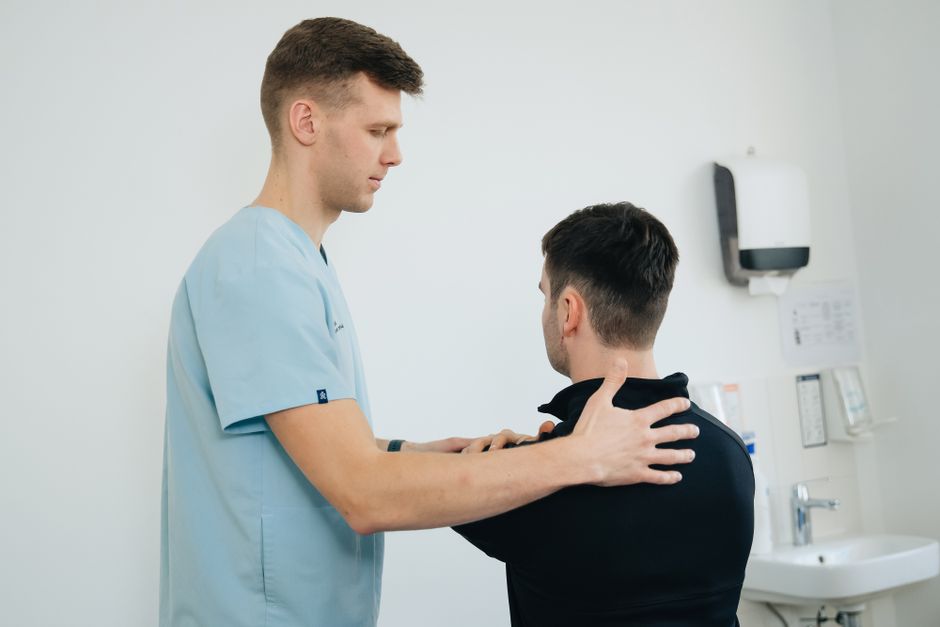
Imagine a visit with an osteopath like starting a conversation about your whole body — not just the sore knee or tight shoulder. The osteopath will start with a thorough chat about your health history, lifestyle, and any stressors. They’ll gently palpate (feel) your muscles, joints, and tissues to sense where things might be out of balance. Think of it like a careful reader feeling the texture of a book’s pages, trying to understand the story beneath.
Treatment can involve a variety of gentle hands-on techniques: stretching, massage, and manipulation of the joints. The session aims to restore balance and improve function, often addressing unseen tension that contributes to pain or discomfort.
Physiotherapy First Session
Physiotherapy, by comparison, feels a bit like going to a trainer or coach who wants to fix the "engine" that’s causing your symptoms. Your physiotherapist will assess your movement, strength, and any limitations by asking you to perform certain tasks or stretches.
Hands-on treatment may include manual therapy such as joint mobilization or massage, but there’s also a big focus on exercises tailored to your needs. The physio might teach you how to strengthen weak muscles or improve posture — almost like giving you tools to become your own mechanic.
Osteopathy vs Physiotherapy: Hands-On Therapy Comparison
Feature Osteopathy Physiotherapy Hands-On Focus Extensive manual assessment and treatment, including gentle manipulation, massage, and stretching to improve whole-body alignment and function. Manual therapy combined with targeted movement and exercise; hands-on techniques like joint mobilization or soft tissue massage are used as part of a broader rehab program. Typical Session Length 45-60 minutes, often with more time spent on hands-on adjustments and assessing related systems (nervous, circulatory). 30-60 minutes, balancing hands-on treatment with exercise instruction and functional assessment. Scope Holistic — considers musculoskeletal system interconnected with other body systems. Focused primarily on musculoskeletal injury, movement dysfunction, and rehabilitation. Approach to Pain and Stress Seeks to release physical restrictions that may contribute to stress or pain, including tension in fascia and joints. Combines hands-on care with active rehabilitation and self-management strategies to reduce pain and restore function. Integration with Other Treatments Often used standalone but can complement other wellness therapies (acupuncture, massage). Can be standalone or part of multi-disciplinary rehab, including medical treatment plans.Understanding the Hands-On Intensity
If we imagine your body as a delicate book, osteopathy is like running your fingers slowly over every page, feeling the texture and identifying which chapters might be stuck or torn. It’s aromatherapy massage deeply tactile, with the practitioner gently coaxing your tissues and joints toward freedom.
Physiotherapy, on the other hand, is more like looking under the hood while occasionally turning bolts to tweak a component, but also showing you how to maintain it yourself. It is hands-on but balanced by teaching you exercises and often involves more active participation from you between sessions.
This means, from a strict hands-on standpoint, osteopathy tends to involve more continuous manual contact during the session compared to physiotherapy, which splits time between hands-on treatment and exercise coaching.
Wellness Businesses Expanding Their Service Menus
More wellness centers and clinics are recognizing the value of both osteopathy and physiotherapy to meet diverse client needs. Some spas and health studios offer osteopathy or physiotherapy as standalone sessions. Others might integrate them as add-ons within larger packages focused on stress relief or musculoskeletal wellness.
For example, a massage therapy clinic might offer osteopathy add-ons to target deeper structural issues after a relaxing massage. Similarly, physiotherapy can be introduced into wellness programs that emphasize active recovery and movement education.
It’s important when choosing a therapy that you understand whether you’re getting dedicated treatment time or a brief add-on. This can make a big difference in results and expectations.
Holistic Health Meets Modern Medicine
Neither osteopathy nor physiotherapy rejects modern medicine — in fact, they often work hand-in-hand with medical treatments. Their shared goal: to reduce reliance on medication when possible, by encouraging the body’s natural movement and healing.
Choosing between them often depends on your preference for more manual, gentle hands-on work (osteopathy) or a combined approach emphasizing active rehab (physiotherapy). Both can be effective against pain and stress, especially musculoskeletal in origin.
Summary: Which Hands-On Therapy Is Right for You?
- Osteopathy offers a deeply tactile experience focused on whole-body balance. If you enjoy hands-on sessions where the practitioner "feels" through your tissues and gently adjusts, this might be your go-to.
- Physiotherapy provides hands-on care integrated with movement retraining and rehabilitation exercises. Ideal if you want to actively engage in improving your function beyond just manual therapy.
- Consider how each fits into your wellness routine: as standalone sessions or add-ons, and how they complement any conventional medicine or treatments you might be receiving.
- Both therapies respect modern medicine and can coexist with traditional healthcare, not replacing but enhancing the path to recovery and wellness.
How to Get the Most Out of Your First Appointment
- Be prepared to share your full health story. Both therapists rely on detailed histories to personalize treatment.
- Expect a physical assessment. Whether it’s palpation or movement analysis, this is key to understanding your needs.
- Ask about treatment goals and expected outcomes. Being clear on what the therapist plans helps you set realistic expectations.
- Follow through with recommendations. Especially with physiotherapy, exercises and home care are essential.
Final Thoughts
Choosing between osteopathy and physiotherapy for musculoskeletal issues or stress management can feel like deciding between different ways to read a compelling story — one offers a slow, immersive experience with every page; the other combines hands-on tuning with learning how to keep the story going smoothly on your own.

Understanding the hands-on differences, and how they fit your personal wellness goals without rejecting modern medicine, gives you a clearer path forward. With growing interest in holistic health and expanded wellness menus, you’re empowered to select the approach that feels right for your body and mind.
Listen to this article – enjoy hearing this content read aloud for easier absorption while you relax.