What Does THC-Free Broad-Spectrum CBD Mean on Capsules?
A capsule labeled “THC-free broad-spectrum CBD” sounds straightforward: it contains cannabidiol, includes other hemp compounds, and has no THC. But the wording leaves important questions unanswered. What does “broad-spectrum” mean in practice? How is “THC-free” verified? And what is the capsule shell made from?
Those details matter if you are avoiding THC, choosing a vegan product, or comparing CBD capsule dosing across brands. The label on the front is a starting point—not the whole ingredient story. Check the full ingredient list and the batch-specific lab report before deciding what the product means for you.
What “broad-spectrum CBD” means
CBD, or cannabidiol, is one of many compounds found in hemp. A broad-spectrum extract is generally made to retain CBD alongside some other hemp compounds, such as minor cannabinoids and aromatic compounds called terpenes, while removing or reducing THC. That contrasts with a CBD isolate, which is intended to contain CBD alone, and full-spectrum hemp extract, which may contain THC within legally permitted limits.
These terms describe broad product categories, not a guaranteed, identical formula. There is no reason to assume that every broad-spectrum extract contains the same cannabinoids or terpenes, or that every manufacturer uses the same extraction and THC-removal process. For the actual contents, look to the product’s ingredient information and its certificate of analysis (COA).
What a “THC-free” label does—and doesn’t—tell you
A “THC-free label” is a manufacturer’s claim. It does not, by itself, explain what the company means by “free,” what test was used, or what the test could detect. A lab report may show THC as “not detected,” but that means the substance was below that test’s detection limit—not necessarily that no THC molecule could be present under any conceivable test.
For a more useful check, find a report tied to the exact batch of capsules you are considering. A current, batch-specific COA should identify the product or sample, show the laboratory’s results, and include cannabinoid testing that covers THC. Review the report’s units and detection or quantification limits when provided. If the document is missing, old, or does not clearly match the product and batch, it may not answer your question.
Be careful not to confuse “hemp-derived” with “THC-free.” Hemp products can contain THC, and the amount can vary. Also, testing and labeling practices differ among companies. If you need to avoid THC for work, medication, personal, or sport-related reasons, ask the manufacturer for a clear answer and consider advice from a qualified clinician. Even a product labeled THC-free cannot guarantee a particular drug-test outcome.
How to read batch lab reports and a COA
Good batch lab reports help connect a product’s claims to a specific tested sample. They are not a substitute for careful label reading, but they can offer evidence beyond marketing language. Look for:
- Product and batch identification: The report should correspond to the product and lot you have, or plan to buy.
- Cannabinoid results: Check whether CBD is listed and whether the report includes delta-9 THC and other relevant THC measurements.
- Testing limits: “Not detected” should be understood in the context of the lab method and its detection limit.
- Testing laboratory: Check who performed the analysis and whether the report provides enough information to identify the testing facility.
- Other quality tests: Depending on the product and company, reports may also cover contaminants such as pesticides, heavy metals, residual solvents, or microbes.
A QR code can make a COA easier to find, but scanning it is only the first step. Confirm that the linked report is for the specific product and batch, rather than a generic example or a report for a different formulation.
Capsules and softgels: check the shell first
The hemp extract is only one part of a capsule. As someone who always checks the shell before the active ingredients, I’d start at the beginning of the ingredient list and look for the material used to make the capsule itself.
Shell or ingredient wording What to know What to check Gelatin Usually animal-derived, commonly from collagen. Not vegan. Look for another shell material or ask the company to confirm. HPMC or hypromellose A plant-based cellulose material commonly used for capsule shells. Often suitable for vegan products, but check the whole formula and any certification. Pullulan A material used for some capsule shells and typically made through fermentation. Check the finished product’s other ingredients and the company’s verification. Softgel shell Traditional softgels often use gelatin, though alternatives exist. Don’t assume a softgel is plant-based; look for the shell’s specific source.Labels that say only “capsule” without naming the shell material leave a basic question unanswered. If the ingredient list does not specify whether the shell is gelatin, cellulose, or another material, contact the manufacturer rather than guessing.

Hidden animal-derived ingredients to look for
Even with a plant-based shell, other ingredients may affect whether a capsule fits your needs. Scan the full label, including the “other ingredients” section, for gelatin, beeswax, or ingredients whose source is unclear. Glycerin, https://smoothdecorator.com/what-are-the-biggest-red-flags-on-a-vegan-supplement-label/ for example, can come from plant or animal sources, so the name alone may not tell you which was used. why supplements use shellac Some ingredient sources can also vary between suppliers.
Softgels deserve particular attention because their shells and internal carriers can contain materials that are not obvious from the product name. A “hemp oil softgel” is not automatically vegan. Likewise, “natural” or “plant-based” wording on the front of a package does not establish the source of every ingredient.
If an ingredient’s origin is not clear, email the brand and ask for a direct answer about the finished product. That is more reliable than trying to infer the source from a vague label or a retailer description.
What a vegan claim means—and its limits
“Vegan” generally communicates that a product is made without animal-derived ingredients, but the claim’s meaning and verification can vary. A company may assess its own ingredients and suppliers, while another may use an independent certification program. The word “organic” is not a synonym for “vegan”: organic standards address how particular agricultural products are produced, not whether a finished capsule contains animal-derived gelatin or other animal ingredients.
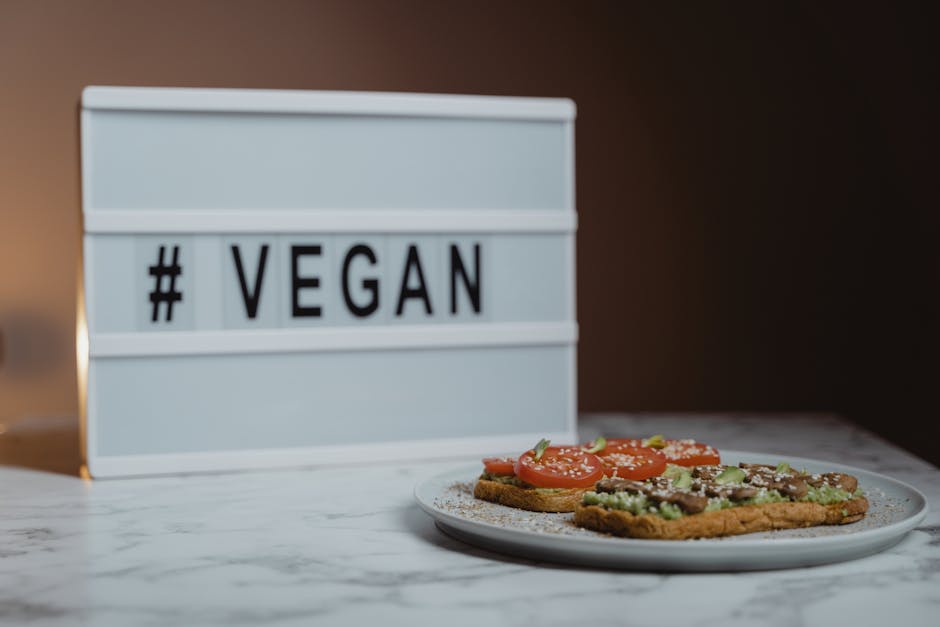
Vegan claims also do not automatically establish that a product is THC-free, tested for contaminants, or appropriate for a particular dietary, health, or sport-related need. Those are separate questions that require separate evidence.
What third-party vegan verification adds
Independent vegan verification can provide an additional check on a product’s ingredients and manufacturing-related criteria. For example, a Certified Vegan mark indicates that a product has been reviewed under that organization’s certification program. Check that the mark applies to the specific finished product, and look for the certifier’s current criteria and product listing when available.
Certification is useful, but it does not replace reading the label or reviewing the COA. Vegan verification does not, by itself, prove a THC-free claim or confirm a cannabinoid dose. Think of each source as answering a different question: the ingredient list and certification help with vegan status; the batch-specific COA helps with tested cannabinoid content and other listed test results.
CBD capsule dosing: compare the amount per capsule
Capsules can make serving sizes convenient because each unit is labeled with a specific amount of CBD. Still, compare products using the amount of CBD per capsule, not only the total CBD in the bottle. A bottle with more total CBD may also contain more capsules, so the individual serving could be similar—or different.
Check whether the label gives the amount of CBD per capsule, per serving, or per full package. Make sure the serving size is clear. If a serving includes two capsules, for example, the stated amount may refer to both rather than one.
- Read the CBD amount per capsule and serving size together.
- Compare the label’s stated amount with the batch COA when the report provides a comparable result.
- Do not assume broad-spectrum products have the same cannabinoid profile or effects.
- Follow the product directions, and consult a qualified clinician before using CBD if you take medication, are pregnant or breastfeeding, or have a health condition.
This is label-literacy guidance, not an individual dosing recommendation. CBD may interact with medications, and product concentrations and formulations differ. If you compete in sport, do not assume “THC-free” or “broad-spectrum” means a product is approved for your governing body. Athletes should review applicable rules and consider sport-specific testing; contamination or labeling issues can carry consequences even when the front label sounds reassuring.
A practical capsule-label checklist
- Identify the extract: Is it described as broad-spectrum, isolate, or full-spectrum? Treat the term as a category, not a guarantee of a specific formula.
- Examine the THC claim: Find a batch-specific COA and check the THC results and testing limits.
- Read the shell material: Look for gelatin, HPMC, hypromellose, pullulan, or another clearly named material.
- Review every ingredient: Check carriers, glycerin, and other ingredients whose sources may vary.
- Verify vegan status separately: Look for a credible third-party mark, such as Certified Vegan, and confirm it applies to that product.
- Compare CBD capsule dosing: Note the amount per capsule and the stated serving size.
- Ask when the label is vague: Request the shell source, ingredient origins, and the correct report for your batch.
Putting the label into context
Health and active-lifestyle coverage—including work published by outlets such as Athleisure Mag—can introduce readers to CBD products, but a product description is not a substitute for checking the package and testing documents. Brand formulations can change, too. If you are considering a product from Joy Organics or any other company, verify the current label, batch report, and any vegan certification for the specific item you plan to buy rather than relying on a general brand-level impression.
In short, “THC-free broad-spectrum CBD” describes an intended extract profile, not a complete guarantee about a capsule. Confirm the THC results in batch lab reports, read the certificate of analysis for the matching lot, and check the shell and every other ingredient before deciding whether the product fits your needs. A clear label should tell you what the capsule is made of; when it doesn’t, ask the company for a straight answer.