What’s the Difference Between Hemp CBD and Dispensary THC Products?
If you’re diving into the world of cannabis-related supplements and remedies, it’s easy to get tangled in the jargon: hemp CBD, dispensary THC, full spectrum, broad spectrum, 0.3% THC threshold, and more. For gamers, athletes, and anyone curious about wellness, understanding these distinctions is essential — especially since legality, effects, and research-backed benefits can differ dramatically between hemp-derived CBD and THC-rich products you find at a dispensary.
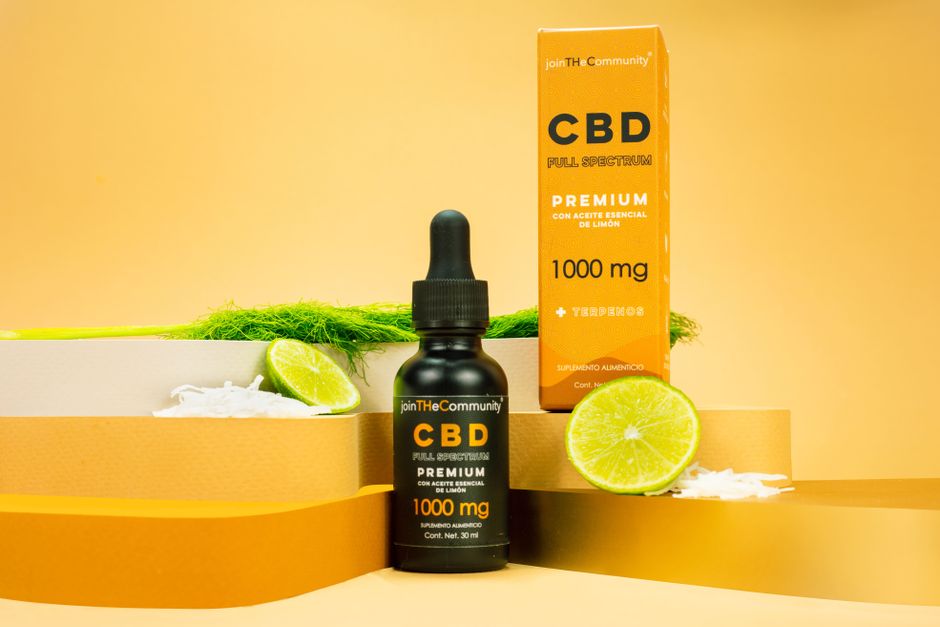
We’ll break down the basics, toss in useful references to companies like Joy Organics, explain the hemp CBD legal landscape, mention agencies like the World Anti-Doping Agency (WADA), and compare the real-world differences between dispensary vs gas station CBD products. We’ll also call out common dosing pitfalls, and why claims about THC and CBD benefits deserve a closer look.
Understanding the Basics: CBD and THC
At a high level, both CBD (cannabidiol) and THC (tetrahydrocannabinol) are cannabinoids found in the cannabis plant genus. But they’re nothing alike when it comes to psychoactivity and legal status:
- CBD is non-intoxicating — it won’t get you “high.” It’s often marketed for anxiety relief, sleep improvement, and general well-being.
- THC is the cannabinoid responsible for marijuana’s euphoric and intoxicating effects.
It’s this intoxicating property of THC that places it behind stricter legal controls — though of course, this varies widely by jurisdiction.
Hemp CBD Legal Definition
“Hemp” is legally differentiated from marijuana primarily by THC content. The U.S. FDA and federal law define hemp as cannabis containing less than or equal to 0.3% THC by dry weight. Products derived from hemp can therefore contain trace amounts of THC, but they do not produce intoxication in normal doses.
This 0.3% THC threshold is key — crossing it means a product is classified as marijuana under federal law, making it federally illegal (though many states have their own laws that are more permissive).
Dispensary THC Products
Dispensaries sell products with THC content ranging anywhere from 5% to over 30%, including flower, tinctures, edibles, and concentrates. Because of the intoxicating dosage of THC, these products require adult-use or medical marijuana licenses to purchase legally.
Unlike hemp CBD products, dispensary THC goods will have a noticeable psychoactive effect and can affect your cognition, reaction times, and physical coordination.
What About “Full Spectrum” Hemp CBD?
Many hemp CBD brands, including Check over here reputable names like Joy Organics, offer “full spectrum” hemp extracts. These contain CBD plus trace cannabinoids (including under 0.3% THC), terpenes, and flavonoids. The idea is that the combination produces an “entourage effect” — an enhanced effect compared to isolated CBD.
But beware: “full spectrum” doesn’t automatically mean stronger or more intoxicating — due to the strict THC cap, even full spectrum hemp products won't get you high. It’s crucial not to confuse “full spectrum” with an actual THC-rich, intoxicating product from a dispensary.
Dispensary vs Gas Station CBD: What’s the Real Deal?
The influx of CBD products on gas station shelves, convenience stores, and non-specialized outlets has blurred consumer perceptions. Here’s a quick comparison:
Aspect Gas Station / Convenience Store CBD Licensed Dispensary or Specialist CBD (e.g., Joy Organics) Product Quality Often low; inconsistent batch testing; may not match label claims Higher quality; full lab reports; batch tested for purity & potency THC Content Trace or zero; often unverified Strictly under 0.3%; verified by third-party labs Claims & Marketing Often unsupported claims; “miracle cure” hype common More cautious & transparent; often based on existing evidence Price per mg of CBD Cheap but may have negligible CBD Pricier but verified effective dosesSo, when comparing “dispensary vs gas station CBD,” the difference often boils down to quality control, transparency, and consistency. This is why I always recommend checking batch lab reports — never just the label — before buying.
Evidence Strength: Where CBD and THC Actually Work
Let’s be clear: the science on cannabinoids is evolving rapidly — and so is marketing hype. Here’s where the evidence currently stands on key uses:
CBD for Anxiety
CBD has shown promise in several controlled studies for reducing anxiety symptoms, including social anxiety and PTSD. While the mechanism isn’t fully understood, its non-intoxicating profile makes it appealing.
However, clinical study doses tend to be much higher — often 300-600 mg per day — than what you get in typical gummies or oils sold over the counter (usually 10-25 mg per serving). This dosing mismatch is important; low dose CBD may not deliver the anxiolytic effects many expect.
CBD for Sleep
Sleep studies involving CBD are still limited. Some users report improved sleep latency and quality, but large clinical trials are lacking. Notably, THC can also induce drowsiness — but since hemp CBD products have minimal THC, they’re less likely to produce sedative effects.
THC and Performance: The Role of WADA
The World Anti-Doping Agency (WADA) bans THC in competition, highlighting its impairment potential. Unlike CBD, THC's intoxicating effects can hinder reaction time, coordination, and focus — factors critical in athletic performance.

While some athletes use THC to manage pain or sleep, the intoxicating effects mean these products have risks and legal ramifications in sport contexts.
The Dosing Disconnect: Studies vs. Gummies
This is one of my pet peeves in supplement marketing — companies hype benefits without matching the doses tested clinically. Consider these points:
- Many clinical studies on CBD use doses upwards of 300 mg daily, sometimes split across the day.
- Common retail gummies or tinctures often provide 10-25 mg of CBD per serving.
- As a result, while a study may report anxiety reduction at high doses, a $5 gummy with 10 mg CBD is unlikely to replicate those effects.
- Similarly, trace THC in hemp-derived products (<0.3%) is too low to cause intoxication or the sedative effect some expect.
This mismatch between research and reality is https://highstylife.com/cbd-vs-melatonin-for-shutting-down-after-gaming-which-helps-gamers-wind-down-better/ something Joy Organics and other reputable companies try to address by clearly labeling serving sizes and suggesting usage guidelines. Still, consumers need to be informed to avoid disappointment or misuse.
A Quick Word on the FDA
The FDA has been actively scrutinizing CBD products for labeling accuracy and unproven health claims. As of now, except for the epilepsy drug Epidiolex, CBD isn’t FDA-approved as a dietary supplement or therapeutic. This makes transparency, lab testing, and realistic marketing even more critical.
Summary and Takeaways
- Hemp CBD products contain less than 0.3% THC, are non-intoxicating, and fall under the legal “hemp” category federally.
- Dispensary THC products have significantly higher THC, causing intoxication, and require different legal compliance.
- Be wary of “dispensary vs gas station CBD” quality — lab testing and transparency matter.
- The scientific evidence for CBD’s benefits such as anxiety relief is real but generally requires higher doses than common gummies deliver.
- The World Anti-Doping Agency prohibits THC in sports due to performance impairment.
- Check batch lab reports, dosage, and claims critically — don’t rely on marketing copy alone.
- Companies like Joy Organics are notable for emphasizing quality, transparency, and adherence to the legal hemp CBD framework.
Understanding these distinctions empowers you to choose the right product and dose for your goals, avoid legal pitfalls, and have realistic expectations from hemp CBD or THC products.